

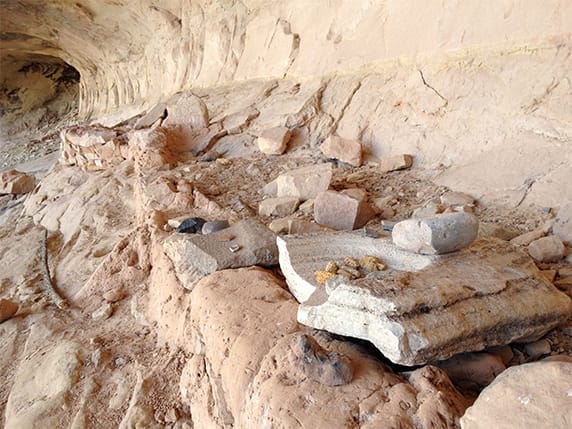
Southeast Utah, and specifically the Bears Ears region, is one of the last wild frontiers and at the forefront of issues surrounding public lands. Four Corners Adventures was established in 2010 partnering with Wild Rivers Expeditions in 2013 together specializing in wilderness experiences by land and river. In 2018 we are excited to announce the single brand WILD. Between growing populations around the world and innovative technology it is becoming impossible to disconnect and feel the solitude only found in the wild places of the world. With this in mind, we feel it is ever more important our public lands are protected for the enjoyment of future generations.

The Historical Development of Prepaid Payment Methods in Australian Wagering

The Australian wagering industry has undergone remarkable transformation over the past century, with payment methods evolving from cash-only transactions at racecourses to sophisticated digital solutions. Among these innovations, prepaid payment methods have emerged as a significant development, reshaping how Australians engage with betting activities. This evolution reflects broader changes in financial technology, regulatory frameworks, and consumer preferences, while addressing concerns about responsible gambling and financial security. Understanding this historical progression provides valuable insight into the current landscape of Australian wagering and the factors that have shaped modern betting practices.

Early Wagering Payment Systems and the Cash Era

The foundation of Australian wagering can be traced back to the colonial period, when horse racing became a popular pastime among settlers. Throughout the 19th and early 20th centuries, betting transactions were exclusively cash-based, conducted directly at racetracks or through illegal bookmakers operating in urban areas. The introduction of the totalisator system in the early 1900s represented the first significant innovation in wagering payments, allowing bettors to pool their wagers through a centralized system that calculated odds based on total amounts wagered.

The Totalisator Agency Board (TAB) system, established in various Australian states beginning in the 1960s, marked a pivotal moment in wagering payment evolution. This government-sanctioned monopoly created a network of physical betting shops where customers could place wagers on racing events. While still primarily cash-based, the TAB system introduced rudimentary account-based betting for some customers, laying groundwork for future payment innovations. The system’s success demonstrated that Australians were receptive to intermediary payment mechanisms beyond direct cash exchanges with bookmakers.

During this era, cheques occasionally served as payment instruments for high-stakes bettors, though their use remained limited due to processing delays and fraud concerns. The predominance of cash transactions reflected both technological limitations and cultural attitudes toward gambling, which was viewed as an activity requiring immediate, tangible exchange. This cash-centric approach would persist until the late 20th century, when technological advancement and regulatory changes created conditions for payment method diversification.

The Digital Revolution and Introduction of Prepaid Solutions

The 1990s brought transformative changes to Australian wagering through internet connectivity and digital payment technologies. Online betting platforms emerged following the passage of the Interactive Gambling Act 2001, which established a regulatory framework for internet-based wagering. This legislative milestone coincided with growing adoption of credit and debit cards, which quickly became the dominant payment method for online betting accounts. However, concerns about gambling-related debt and the ease of overspending with credit facilities prompted both regulators and operators to seek alternative payment solutions.

Prepaid payment methods entered the Australian wagering landscape in the mid-2000s as a response to these concerns. Initially, prepaid cards designed for general retail use, such as prepaid Visa and Mastercard products, were accepted by some betting operators. These instruments offered bettors a way to limit their gambling expenditure by loading predetermined amounts onto cards, creating a natural spending boundary that credit cards lacked. The psychological benefit of using prepaid funds—where bettors felt they were wagering “their own money” rather than borrowed credit—aligned with emerging responsible gambling initiatives.

The introduction of specialized prepaid solutions specifically designed for online transactions represented another evolutionary step. Products like Paysafecard, which entered the Australian market in the late 2000s, provided voucher-based prepaid options that didn’t require bank account linkage or personal financial information disclosure. These solutions appealed to privacy-conscious bettors and those without traditional banking relationships. The convenience of purchasing prepaid vouchers at retail locations and using them for online wagering created a bridge between cash-based traditions and digital betting platforms, particularly for demographics less comfortable with online banking.

As the market matured, https://betzoid.com/au/prepaid-cards-betting-sites/ became increasingly diverse, with operators recognizing that payment method variety could serve as a competitive differentiator. The proliferation of smartphones and mobile betting applications in the 2010s further accelerated prepaid payment adoption, as these methods integrated seamlessly with mobile platforms and offered quick deposit capabilities suited to in-play betting’s time-sensitive nature.

Regulatory Influence and Responsible Gambling Considerations

Australian gambling regulation has profoundly influenced the development and adoption of prepaid payment methods. The National Consumer Protection Framework for Online Wagering, implemented progressively from 2018, introduced measures designed to minimize gambling harm, including restrictions on credit card use for online betting. This regulatory direction, culminating in a nationwide ban on credit card gambling transactions implemented in 2021, fundamentally altered the payment landscape and elevated prepaid methods to greater prominence.

The credit card ban reflected growing recognition of the link between easy credit access and problem gambling behaviors. Research conducted by Australian universities and gambling research institutes demonstrated that credit-based betting correlated with higher rates of gambling-related financial distress. By eliminating credit options, regulators effectively positioned prepaid and debit solutions as the primary payment mechanisms, fundamentally reshaping how Australians fund their wagering activities. This regulatory intervention represented one of the most significant government-driven changes to payment practices in the industry’s history.

Prepaid payment methods aligned naturally with responsible gambling frameworks because they incorporated inherent spending limits. Unlike credit facilities that could enable bettors to wager beyond their means, prepaid solutions required advance funding, creating a deliberate decision point before gambling commenced. This characteristic made prepaid options attractive to both regulators seeking harm minimization and operators demonstrating commitment to responsible gambling principles. Several major Australian betting operators began promoting prepaid options explicitly as responsible gambling tools, integrating them into broader player protection strategies.

State-based gambling regulators also influenced prepaid payment adoption through licensing conditions and operational requirements. Jurisdictions like the Northern Territory and Tasmania, which license numerous online wagering operators, established guidelines regarding acceptable payment methods and transaction monitoring. These regulatory frameworks encouraged operators to offer diverse payment options, including prepaid solutions, while implementing systems to detect problematic gambling patterns across all payment types. The regulatory environment thus served as both catalyst and shaper of prepaid payment method development in Australian wagering.

Contemporary Landscape and Future Trajectories

The current Australian wagering payment ecosystem reflects decades of technological innovation, regulatory evolution, and changing consumer expectations. Prepaid methods now occupy a significant market segment alongside debit cards, bank transfers, and emerging digital wallet solutions. Contemporary prepaid options include traditional prepaid cards, voucher systems, and newer cryptocurrency-based prepaid solutions that have begun appearing in offshore betting markets accessible to Australian customers, though domestic regulatory acceptance remains limited.

The COVID-19 pandemic accelerated digital payment adoption across all sectors, including wagering. With retail betting venues temporarily closed during lockdowns, online platforms experienced unprecedented growth, and payment method preferences shifted accordingly. Prepaid solutions benefited from this transition, particularly among bettors new to online wagering who appreciated the controlled spending environment these methods provided. The pandemic period demonstrated the resilience and adaptability of prepaid payment infrastructure in supporting continued wagering activity despite physical access restrictions.

Looking forward, several trends appear likely to shape prepaid payment methods in Australian wagering. Open banking initiatives, which enable secure data sharing between financial institutions and third-party providers, may facilitate new prepaid products with enhanced functionality and user experience. Biometric authentication and advanced security protocols will likely become standard features, addressing fraud concerns while streamlining transaction processes. Additionally, integration with comprehensive gambling management tools—allowing bettors to set limits, track spending, and access support resources directly through payment interfaces—represents a probable development direction aligned with responsible gambling objectives.

The potential introduction of a central bank digital currency in Australia could also impact prepaid payment methods, though such developments remain speculative. What appears certain is that prepaid solutions will continue evolving in response to technological capability, regulatory requirements, and consumer demand for payment options that balance convenience, security, and responsible gambling considerations.

The historical development of prepaid payment methods in Australian wagering reflects a complex interplay of technological innovation, regulatory intervention, and evolving social attitudes toward gambling. From the cash-dominated era of racecourse betting to today’s diverse digital payment landscape, prepaid solutions have emerged as significant instruments that address both practical transaction needs and broader responsible gambling objectives. This evolution demonstrates how payment mechanisms can serve purposes beyond mere financial exchange, functioning as tools for harm minimization and consumer protection. As Australian wagering continues adapting to technological change and regulatory expectations, prepaid payment methods will likely remain central to discussions about creating a safer, more responsible gambling environment while preserving consumer choice and market innovation.

img
img

Our mission is to enjoy, educate, preserve and protect natural resources both physical and human. Specializing in wilderness journeys on the San Juan river and through out Bears Ears National Monument, we invite you to join us for your next get away. Custom tailored WILD excursions await those who make the effort to disconnect from the world and travel back to a time forgotten in Bluff, Utah. 5% of all tour sales will be put towards preservation and helping local Native American youth experience the outdoors through programs aimed at improving leadership and challenging self-confidence building wilderness experiences. Current preservation projects and programs will be shared through our blog page.